

-
×
 Citizens but Not Americans
1 × $6.29
Citizens but Not Americans
1 × $6.29 -
×
Cengage Advantage Books: Cultural Anthropology: A Problem-Based Approach
1 × $5.62
-
×
Meaning, Medicine and the ‘Placebo Effect’
1 × $7.50
-
×
An African American and Latinx History of the United States
1 × $3.25
-
×
A Woman's Guide to Cannabis
1 × $3.99
-
×
Making the Mexican Diabetic
1 × $7.49
-
×
LGBTQ Social Movements
1 × $4.75
-
×
Connecting Social Problems and Popular Culture
1 × $12.24
-
×
Connected
1 × $2.50
-
×
Life Is What You Make It
1 × $3.00
-
×
Basic Concepts of Intercultural Communication
1 × $4.25
-
×
Materializing Colonial Encounters
1 × $42.25
-
×
Career Guide in Criminal Justice
1 × $7.49
-
×
Becoming Legal
1 × $4.99
 Citizens but Not Americans
  Cengage Advantage Books: Cultural Anthropology: A Problem-Based Approach
  Meaning, Medicine and the ‘Placebo Effect’
  An African American and Latinx History of the United States
  A Woman's Guide to Cannabis
  Making the Mexican Diabetic
 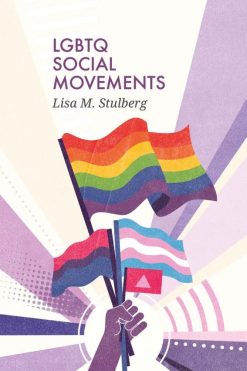 LGBTQ Social Movements
 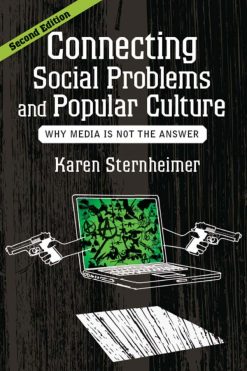 Connecting Social Problems and Popular Culture
  Connected
  Life Is What You Make It
 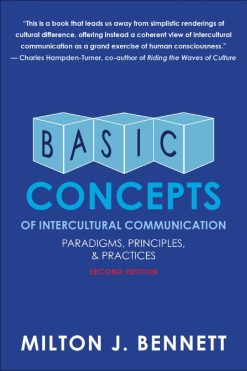 Basic Concepts of Intercultural Communication
  Materializing Colonial Encounters
  Career Guide in Criminal Justice
  Becoming Legal
 Subtotal: $115.61
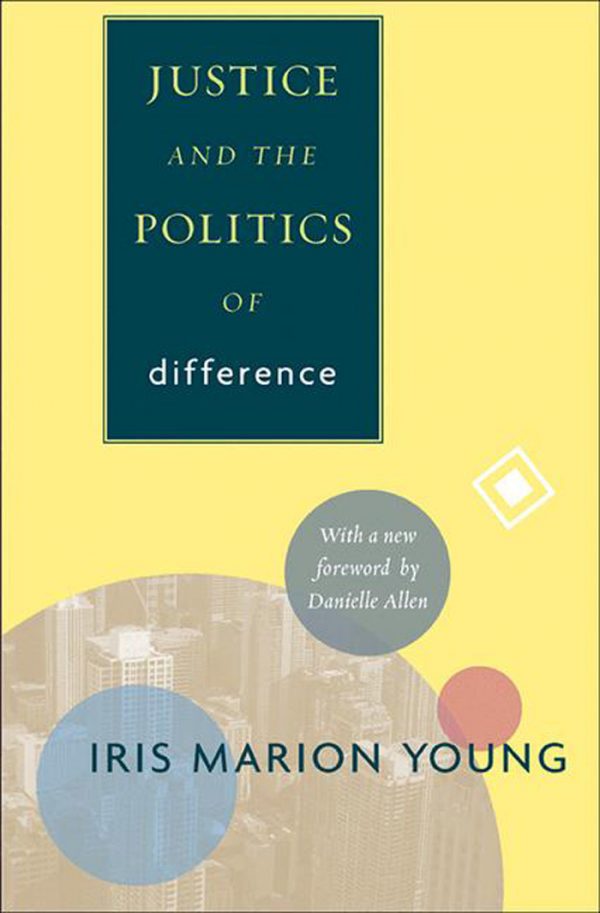





Review Justice and the Politics of Difference
There are no reviews yet.