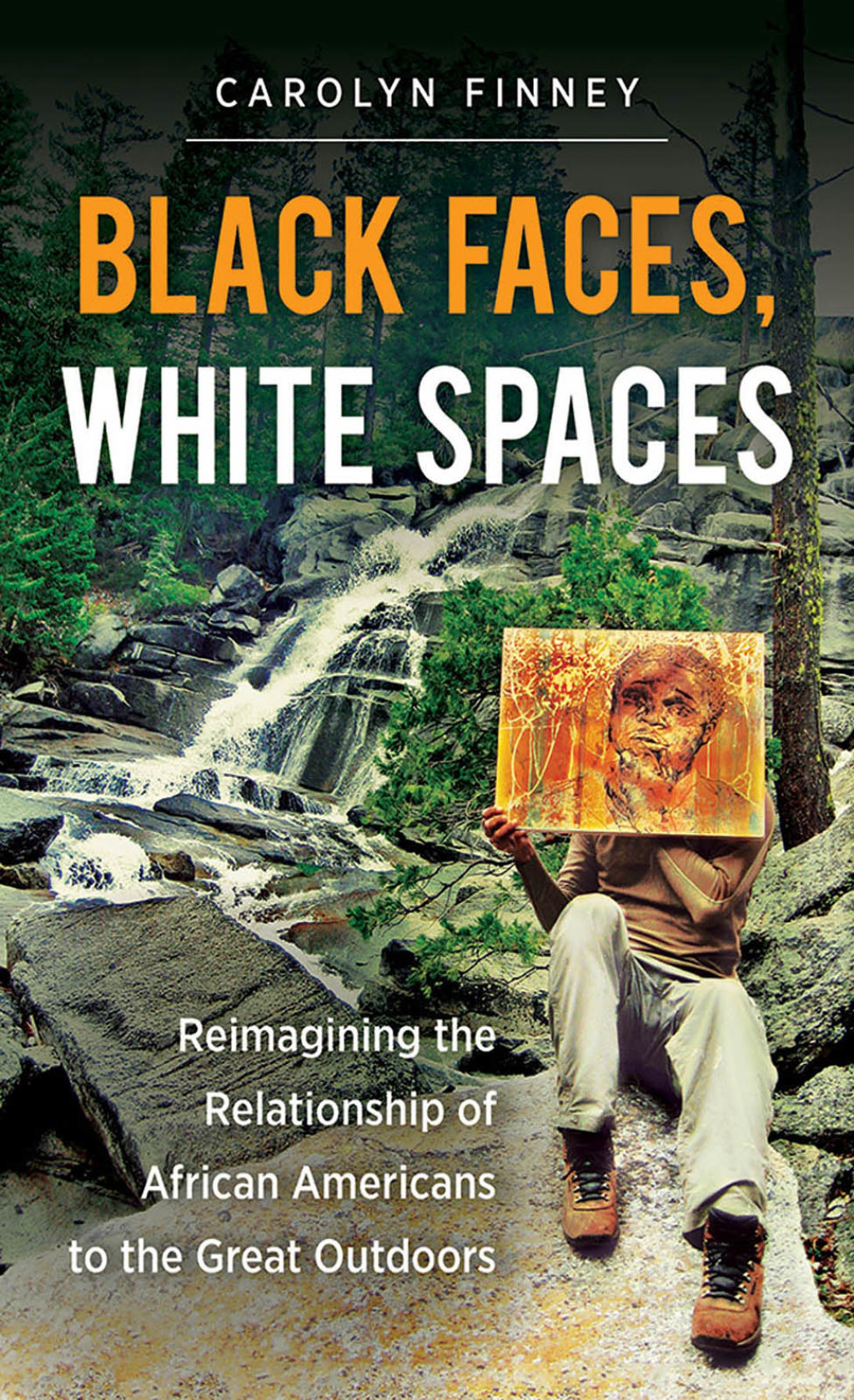

Why are African Americans so underrepresented when it comes to interest in nature, outdoor recreation, and environmentalism? In this thought-provoking study, Carolyn Finney looks beyond the discourse of the environmental justice movement to examine how the natural environment has been understood, commodified, and represented by both white and black Americans. Bridging the fields of environmental history, cultural studies, critical race studies, and geography, Finney argues that the legacies of slavery, Jim Crow, and racial violence have shaped cultural understandings of the “great outdoors” and determined who should and can have access to natural spaces. Drawing on a variety of sources from film, literature, and popular culture, and analyzing different historical moments, including the establishment of the Wilderness Act in 1964 and the aftermath of Hurricane Katrina, Finney reveals the perceived and real ways in which nature and the environment are racialized in America. Looking toward the future, she also highlights the work of African Americans who are opening doors to greater participation in environmental and conservation concerns.
Black Faces, White Spaces: Reimagining the Relationship of African Americans to the Great Outdoors is written by Carolyn Finney and published by The University of North Carolina Press. The Digital and eTextbook ISBNs for Black Faces, White Spaces are 9781469614496, 1469614499 and the print ISBNs are 9781469614489, 1469614480.


Child Development
Career Management & Work-Life Integration: Using Self-Assessment to Navigate Contemporary Careers
Business Model Generation: A Handbook for Visionaries, Game Changers, and Challengers
Dealing with Disaster: Public Management in Crisis Situations
Basic Finance: An Introduction to Financial Institutions, Investments and Management
Brief Cognitive-Behavioral Therapy for Suicide Prevention
Case Studies in Health Information Management
Wilderness and the American Mind 
Review Black Faces, White Spaces
There are no reviews yet.