

Subtotal: $6.00
-75%
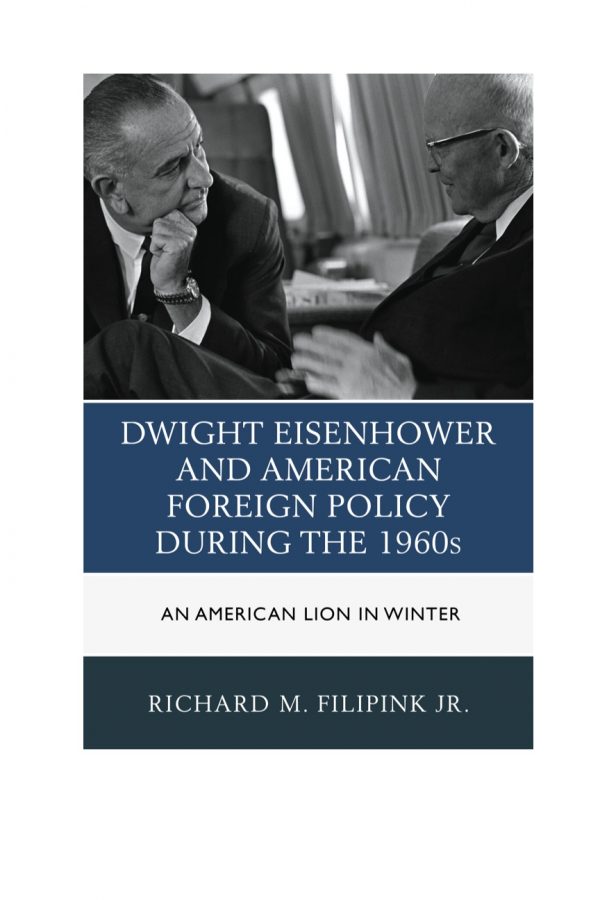
Dwight Eisenhower and American Foreign Policy during the 1960s
$17.15
Dwight Eisenhower had a measurable impact on the foreign policy decisions of his Democratic successors during the 1960s due to his reputation as a military and foreign policy expert as well as his continued popularity when and after he left office. Eisenhower sought to influence his successors policies for a number of reasons, including his underrated partisanship, his desire to protect the reputation of his administration, and his real concerns about the ability of his successors to successfully counter the communist challenge to American interests. Despite his steadily declining health, Eisenhower played both a public and behind-the-scenes role in shaping American foreign policy during the 1960s that had long-term consequences for the country. This book traces the interactions between Eisenhower and his two successors from the pre-inaugural meetings with John F. Kennedy, their direct contacts on Cuba, the use of intermediaries such as John McCone and General Andrew Goodpaster, and the constant contact initiated by Lyndon B. Johnson. Through these direct and indirect contacts, Eisenhower constrained the choices available to Kennedy and Johnson and shaped the politics and policies of the United States until the final months of his life.
Additional ISBNs: 9781498506793, 1498506798, 9781498506809, 1498506801
No comments yet
Related products
-75%

History
$6.25
-75%

Travel
$5.00
-75%

History
$4.50
-75%

History
$2.50
-75%
$6.00
-75%
History
$6.76
-75%
History
$7.50
-75%

History
$4.99
-75%

History
$4.25
-75%

History
$3.50
Review Dwight Eisenhower and American Foreign Policy during the 1960s
There are no reviews yet.