

-
×
 Aquinas on Being, Goodness, and God
1 × $12.49
Aquinas on Being, Goodness, and God
1 × $12.49
Subtotal: $12.49
$26.97
Large file size.
Works on MacOS and Windows 10, 11.
May not work on mobile devices.
Consider carefully before purchasing. No refund.
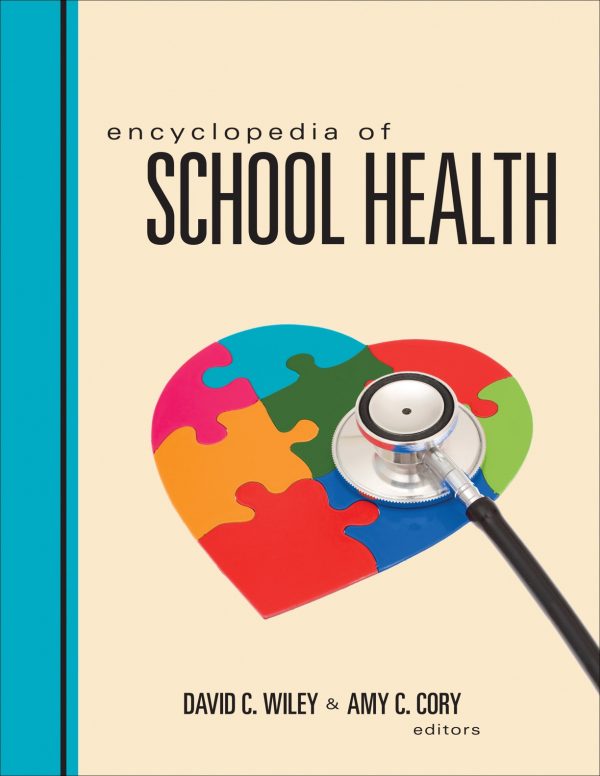
Children spend more time at school than anywhere else except home; thus, schools can have a major effect on children’s health by providing a healthy physical environment, serving meals and snacks built around sound nutritional guidelines, and teaching about health, as well as modeling and promoting healthy behaviors. School health services programs involve not only school nurses and focus not only on nursing practice, standards, and performance issues; they also include services and classes to teach students the information and skills they need to become health-literate, to maintain and improve their health, to prevent disease, and to reduce risky behaviors impacting health. School nurses, teachers, administrators, health coordinators, guidance counselors and social workers all join with parents in safeguarding and promoting the health and well-being of school-aged children as a basic foundation for academic success. The Encyclopedia of School Health offers quick access to health and wellness information most relevant to children in America’s K-12 school setting. You’ll find valuable guidance on developmental stages, acute and chronic illnesses, special education, nutrition, crisis response, prevention, and more.
Additional ISBNs: 9781412996006, 1412996007, 9781452276243, 1452276242
No comments yet

Fiction



General

Biography & Autobiography


Computers

Review Encyclopedia of School Health
There are no reviews yet.