

-
×
 Multiplication Is for White People
1 × $4.50
Multiplication Is for White People
1 × $4.50
 Multiplication Is for White People
 Subtotal: $4.50
$5.50
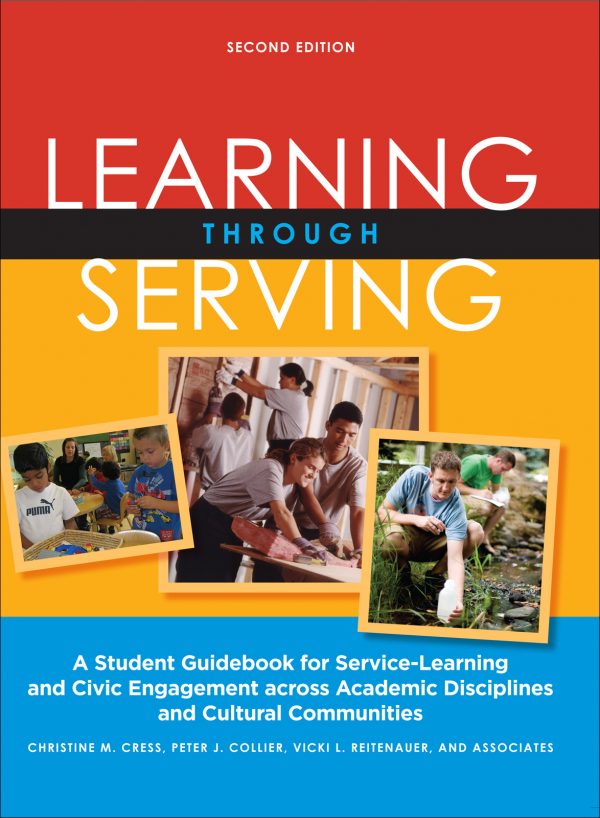
This substantially expanded new edition of this widely-used and acclaimed text maintains the objectives and tenets of the first. It is designed to help students understand and reflect on their community service experiences both as individuals and as citizens of communities in need of their compassionate expertise. It is designed to assist faculty in facilitating student development of compassionate expertise through the context of service in applying disciplinary knowledge to community issues and challenges. In sum, the book is about how to make academic sense of civic service in preparing for roles as future citizen leaders. Each chapter has been developed to be read and reviewed, in sequence, over the term of a service-learning course. Students in a semester course might read just one chapter each week, while those in a quarter-term course might need to read one to two chapters per week. The chapters are intentionally short, averaging 8 to 14 pages, so they do not interfere with other course content reading. This edition presents four new chapters on Mentoring, Leadership, Becoming a Change Agent, and Short-Term Immersive and Global Service-Learning experiences. The authors have also revised the original chapters to more fully address issues of social justice, privilege/power, diversity, intercultural communication, and technology; have added more disciplinary examples; incorporated additional academic content for understanding service-learning issues (e.g., attribution theory); and cover issues related to students with disabilities, and international students. This text is a student-friendly, self-directed guide to service-learning that: Develops the skills needed to succeed Clearly links service-learning to the learning goals of the course Combines self-study and peer-study workbook formats with activities that can be incorporated in class, to give teachers maximum flexibility in structuring their service-learning courses Promotes independent and collaborative learning Equally suitable for courses of a few weeks or a few months duration Shows students how to assess progress and communicate end-results Written for students participating in service learning as a class, but also suitable for students working individually on a project. Instructor’s Manual This Instructor Manual discusses the following six key areas for aligning your course with use of ILearning through Serving/I, whether you teach a senior-level high school class, freshman studies course, or a college capstone class: 1. Course and syllabus design 2. Community-partner collaboration 3. Creating class community 4. Strategic teaching techniques 5. Developing intercultural competence 6. Impact assessment This Manual is free, and available only in PDF format. a href=https://sty.presswarehouse.com/sites/stylus/resrcs/chapters/1579229905_otherchap.pdfDownload here/a.
Additional ISBNs: 9781579229900, 1579229905, 9781579229924, 1579229921
No comments yet


Counseling

Education
Review Learning Through Serving: A Student Guidebook for Service-Learning and Civic Engagement Across Academic Disciplines and Cultural Communities
There are no reviews yet.