

-
×
 Deconstructing Placemaking
1 × $14.99
Deconstructing Placemaking
1 × $14.99 -
×
A Pocket Guide to Public Speaking
1 × $8.50
-
×
What Is Sociolinguistics?
1 × $8.00
-
×
A Woman's Guide to Cannabis
1 × $3.99
-
×
50 Essays: A Portable Anthology (High School Edition): for the AP English Language Course
1 × $8.50
-
×
A Canadian Writer's Reference
1 × $15.25
-
×
Africa in the American Imagination
1 × $7.50
-
×
Building Codes Illustrated: A Guide to Understanding the 2015 International Building Code
1 × $10.00
-
×
Gay on God’s Campus
1 × $5.00
-
×
The Surrender Experiment
1 × $3.50
-
×
7 Ways to Transform the Lives of Wounded Students
1 × $9.49
-
×
The Charrette Handbook
1 × $14.24
-
×
Aging Well: Surprising Guideposts to a Happier Life from the Landmark Study of Adult Development
1 × $2.75
-
×
Advanced Generalist Social Work Practice
1 × $23.25
-
×
An Introduction to MultiAgent Systems
1 × $15.63
-
×
Better Than Before
1 × $3.25
-
×
English Phonetics and Phonology - An Introduction
1 × $8.88
-
×
No Nails, No Lumber
1 × $5.00
-
×
Brilliant Imperfection: Grappling with Cure
1 × $6.49
-
×
Johann Sebastian Bach: The Learned Musician
1 × $5.99
-
×
A Commonsense Guide to Grammar and Usage
1 × $11.00
-
×
A Day in the Life of a Student Affairs Educator: Competencies and Case Studies for Early-Career Professionals
1 × $6.00
-
×
The Jack-Roller: A Delinquent Boy's Own Story
1 × $6.50
-
×
Alternative and Activist New Media
1 × $17.49
-
×
Arthur Dove: Always Connect
1 × $11.25
-
×
Brothers Apart
1 × $6.50
-
×
Assessing Students with Special Needs
1 × $15.00
-
×
Acting Out Culture
1 × $11.00
-
×
W. E. B. Du Bois's Data Portraits: Visualizing Black America
1 × $6.00
-
×
Get a Life
1 × $3.50
-
×
Century 21 Accounting: General Journal, Copyright Update
1 × $10.75
-
×
Anti-Bias Education in the Early Childhood Classroom
1 × $9.24
-
×
A Glossary of Literary Terms
1 × $4.87
-
×
All Horse Systems Go
1 × $9.00
-
×
Curious Writer, The, Brief Edition
1 × $15.00
-
×
180 Days of Writing for Sixth Grade
1 × $5.75
-
×
A Microscale Approach to Organic Laboratory Techniques
1 × $10.50
-
×
1,000 Recordings to Hear Before You Die
1 × $3.99
-
×
Flagg’s Small Houses
1 × $3.74
-
×
Career Guide in Criminal Justice
1 × $7.49
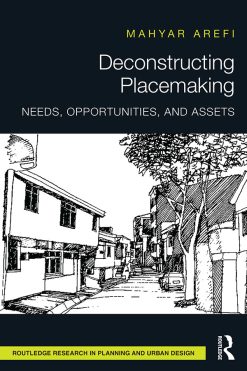 Deconstructing Placemaking
  A Pocket Guide to Public Speaking
  What Is Sociolinguistics?
  A Woman's Guide to Cannabis
  50 Essays: A Portable Anthology (High School Edition): for the AP English Language Course
  A Canadian Writer's Reference
 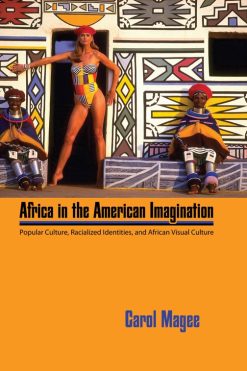 Africa in the American Imagination
 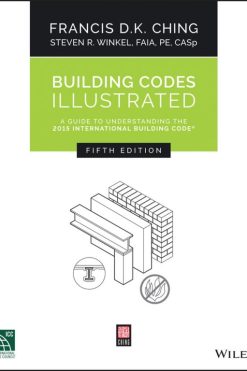 Building Codes Illustrated: A Guide to Understanding the 2015 International Building Code
 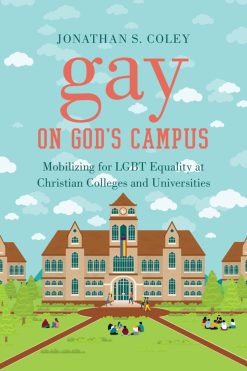 Gay on God’s Campus
 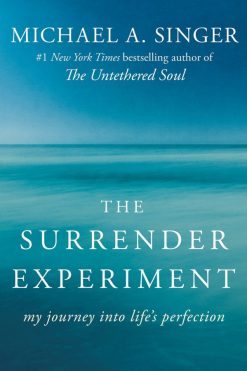 The Surrender Experiment
  7 Ways to Transform the Lives of Wounded Students
  The Charrette Handbook
  Aging Well: Surprising Guideposts to a Happier Life from the Landmark Study of Adult Development
  Advanced Generalist Social Work Practice
 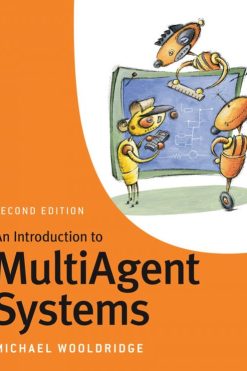 An Introduction to MultiAgent Systems
 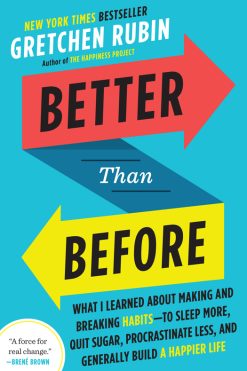 Better Than Before
 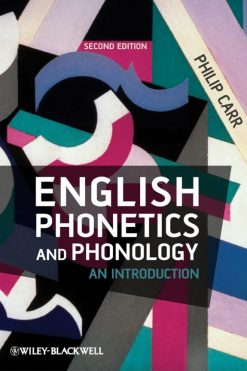 English Phonetics and Phonology - An Introduction
 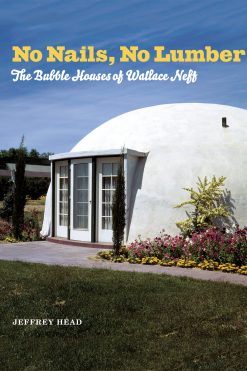 No Nails, No Lumber
 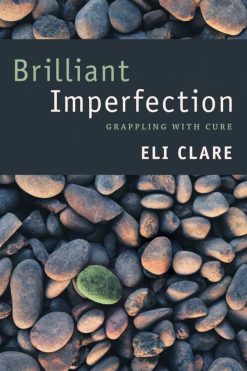 Brilliant Imperfection: Grappling with Cure
 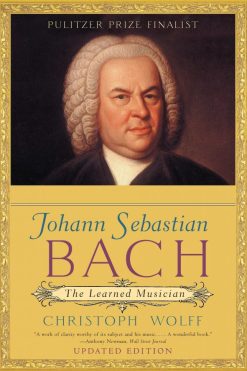 Johann Sebastian Bach: The Learned Musician
  A Commonsense Guide to Grammar and Usage
  A Day in the Life of a Student Affairs Educator: Competencies and Case Studies for Early-Career Professionals
 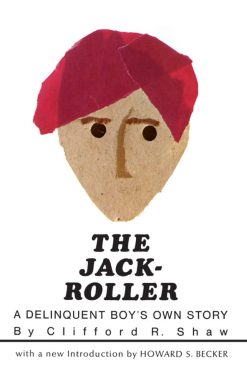 The Jack-Roller: A Delinquent Boy's Own Story
  Alternative and Activist New Media
  Arthur Dove: Always Connect
  Brothers Apart
  Assessing Students with Special Needs
  Acting Out Culture
  W. E. B. Du Bois's Data Portraits: Visualizing Black America
  Get a Life
 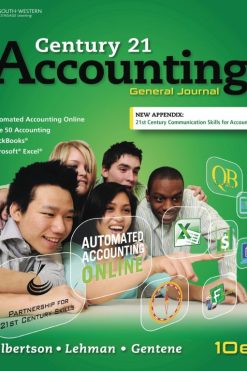 Century 21 Accounting: General Journal, Copyright Update
 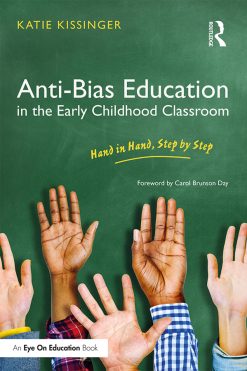 Anti-Bias Education in the Early Childhood Classroom
  A Glossary of Literary Terms
  All Horse Systems Go
 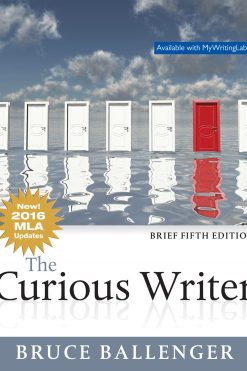 Curious Writer, The, Brief Edition
 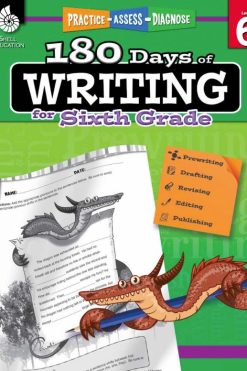 180 Days of Writing for Sixth Grade
  A Microscale Approach to Organic Laboratory Techniques
 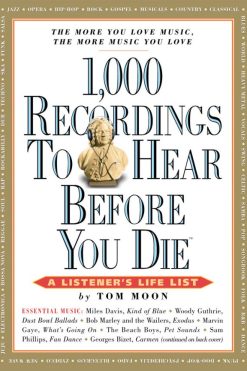 1,000 Recordings to Hear Before You Die
  Flagg’s Small Houses
  Career Guide in Criminal Justice
 Subtotal: $354.77
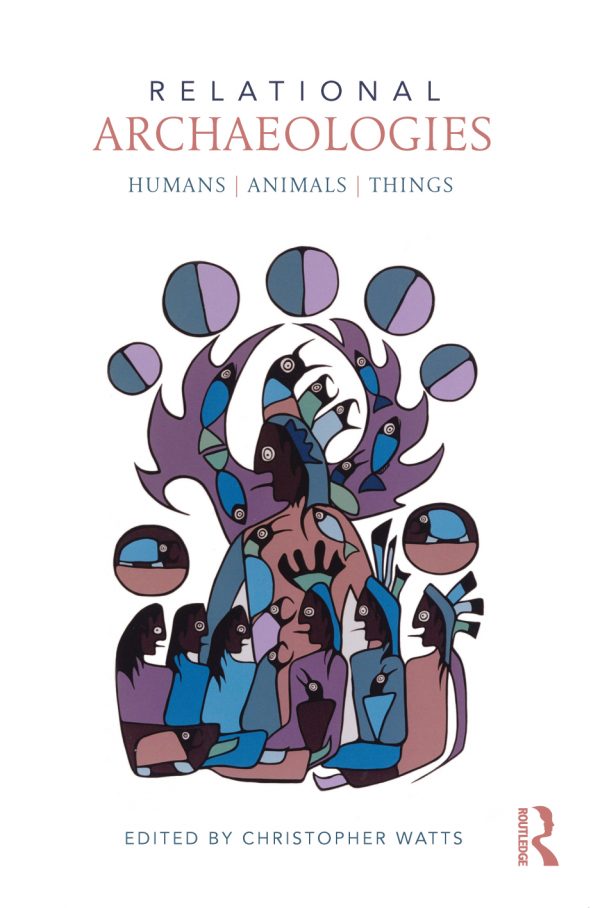

Review Relational Archaeologies
There are no reviews yet.