

-
×
 Airline Marketing and Management
1 × $9.99
Airline Marketing and Management
1 × $9.99
 Airline Marketing and Management
 Subtotal: $9.99
$16.25
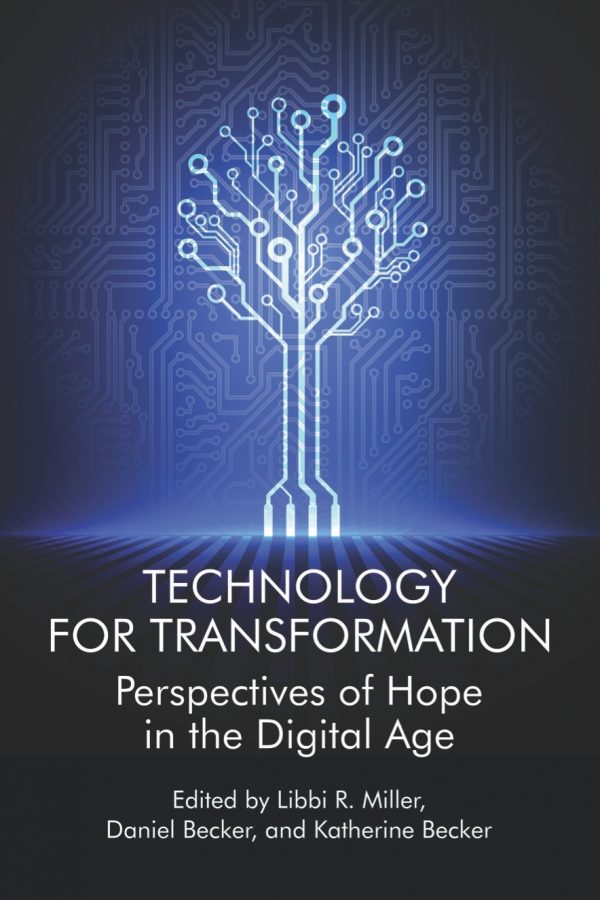
This book serves as a platform for educators and researchers to unite educational technology and social justice. While educational technology is a rapidly changing and progressive field of research and practice, it remains largely separate from education for social justice. Current literature about educational technology is often approached from a technical, how-to perspective that emphasizes ways to implement technology into the classroom. Technology is often viewed as inevitable, yet neutral and value-free. Educational technology, however, is anything but neutral. The contributors collectively advance a hopeful discourse by exploring the potential of technology as a vehicle to transform and emancipate, while not forgoing a critically reflective measure of self-conscious critique of our own role as educators, students, or scholars in oppressive silences, constraints and conditions. This edited collection makes an important and unique contribution to the field, as it will be the first published volume to detail research, theory, and practice regarding student use of technology in achieving liberatory aims since IAPs 2009 publication, ICT for Education, Development and Social Justice.nnnnThe fields of educational technology and social justice are vast and applicable in many domains, including teacher education, graduate programs, and K-12 education. This work is intended to appeal to a diverse academic and professional audience of K-12 teachers, teacher educators, educational technology and social justice scholars, and policy makers. Scholars and academics instructing graduate-level educational technology courses can reference this edited collection as the most current text on socially just educational technology. Educational practitioners from teacher education programs and the K-12 sector may use this book as a source of ideas and inspiration to incorporate student use of technology toward emancipatory aims. This title could be adopted as a course text for both undergraduate and graduate education courses in: media literacy, digital literacy, distance education, education for social justice, and teacher preparation, and educational technology courses. Readers will also be able to use the book as a guide when critically analyzing their own professional practice, whether it is in research, working with K-12 students, or preparing future educators or scholars.
Additional ISBNs: 9781681234373, 1681234378, 9781681234397, 1681234394
No comments yet

Uncategorized

Uncategorized


Uncategorized

Uncategorized

Uncategorized

Uncategorized

Uncategorized

Uncategorized
Review Technology For Transformation: Perspectives of Hope in the Digital Age
There are no reviews yet.