

-
×
 Droit constitutionnel 2019
1 × $6.75
Droit constitutionnel 2019
1 × $6.75 -
×
Digital Evidence and Computer Crime: Forensic Science, Computers, and the Internet
1 × $17.49
 Droit constitutionnel 2019
  Digital Evidence and Computer Crime: Forensic Science, Computers, and the Internet
 Subtotal: $24.24
$4.49
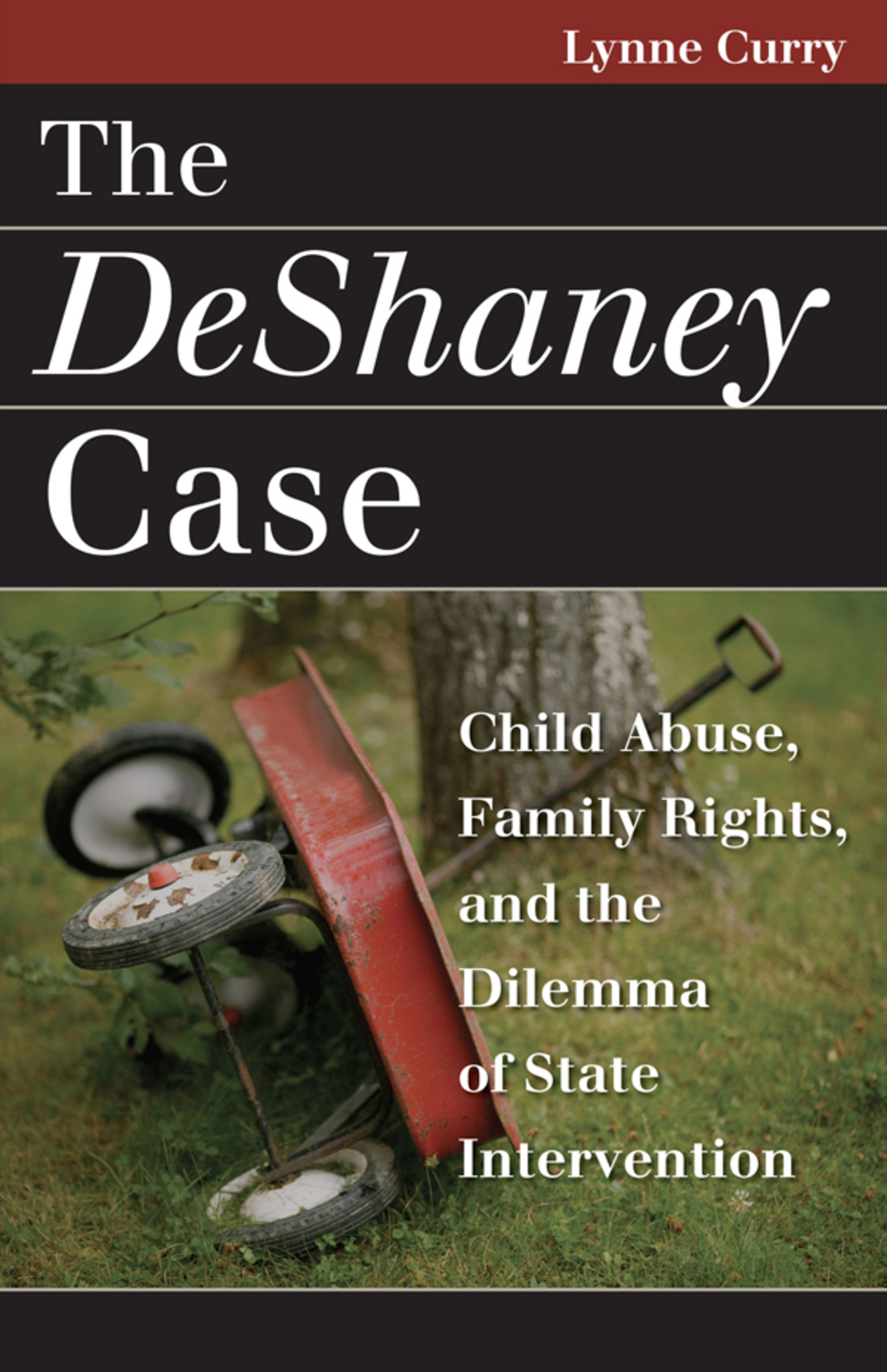
“Poor Joshua!” lamented Justice Harry Blackmun in his famous dissent. “Victim of repeated attacks by an irresponsible, bullying, obviously cowardly, and intemperate father, and abandoned by respondents who placed him in a dangerous predicament and who knew or learned what was going on, and yet did essentially nothing. . . .” Even so, the Supreme Court, by a 6-to-3 margin, absolved Wisconsin officials of any negligence in a case that had left a young child profoundly damaged for the rest of his life. Does the Constitution protect children from violent parents? As Lynne Curry shows, that was the central question at issue when Melody DeShaney initially sued Wisconsin for failing to protect her battered son Joshua from her estranged husband, thus violating her son’s constitutional right to due process. The resulting case, DeShaney v. Winnebago County (1989), was a highly emotional one pitting the family against the state and challenging our views on domestic relations, child abuse, and the responsibilities—and limits—of state action regarding the private lives of citizens. The Supreme Court’s controversial decision ruled that the Constitution was intended to limit state action rather than oblige the state to interfere in private affairs. In other words, it viewed the Due Process Clause as a limitation on the state’s power to act, not a guarantee of safety and security, not even for children who depend on the state for their very survival. In this first book-length analysis of the case, Curry helps readers understand how considerations of “what should be” in an undeniably tragic case are not always reflected in legal reasoning. Curry brings to light details that have been ignored or neglected and covers both the criminal and civil proceedings to retell a story that still shocks. Drawing on legal briefs and social work case files, she reviews the legal machinations of the state and includes personal stories of key actors: family members, social workers, police officers, child advocates, and opposing attorneys. She then clearly analyzes the majority and dissenting opinions from the Court, as well as reactions from the court of public opinion. Joshua DeShaney depended on the state for protection but found no satisfaction in the courts when the state failed him. The DeShaney Case offers a much-needed perspective on the dilemmas his predicament posed for our legal system and fresh insight into our ambivalent views of the role that the state should play in our daily lives.
The DeShaney Case: Child Abuse, Family Rights, and the Dilemma of State Intervention is written by Lynne Curry and published by University Press of Kansas. The Digital and eTextbook ISBNs for The DeShaney Case are 9780700622429, 070062242X and the print ISBNs are 9780700614974, 0700614974.
No comments yet
Business & Financial
Forensic Science
Criminal Law
Administrative Law & Regulatory Practice
Indigenous Peoples

Constitutional
Review The DeShaney Case
There are no reviews yet.