

 Breve historia de la lengua espaola: Segunda edicin revisada
 Subtotal: $8.75
-75%
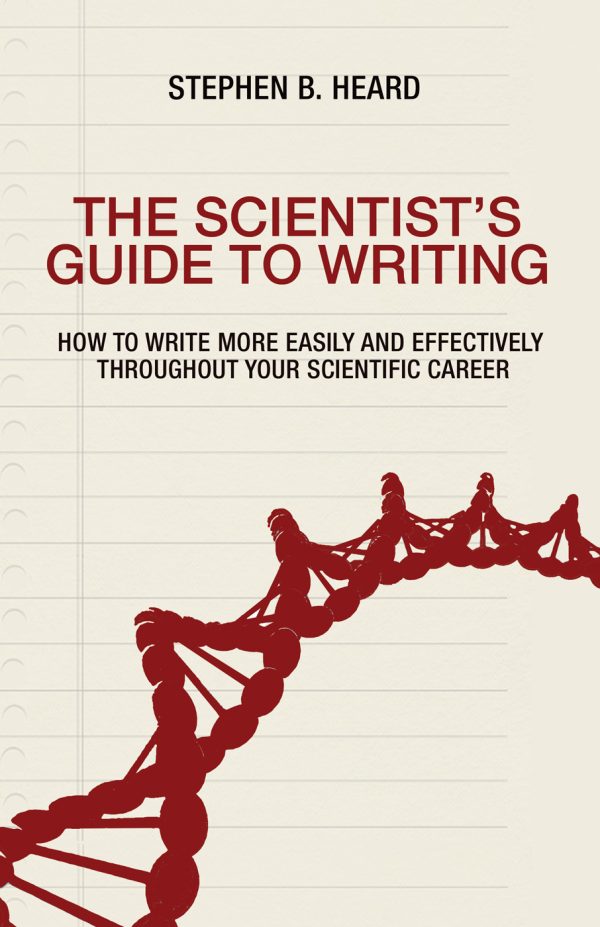
The Scientist’s Guide to Writing
$5.49
The ability to write clearly is critical to any scientific career. The Scientist’s Guide to Writing provides practical advice to help scientists become more effective writers so that their ideas have the greatest possible impact. Drawing on his own experience as a scientist, graduate adviser, and editor, Stephen Heard emphasizes that the goal of all scientific writing should be absolute clarity; that good writing takes deliberate practice; and that what many scientists need are not long lists of prescriptive rules but rather direct engagement with their behaviors and attitudes when they write. He combines advice on such topics as how to generate and maintain writing momentum with practical tips on structuring a scientific paper, revising a first draft, handling citations, responding to peer reviews, managing coauthorships, and more. In an accessible, informal tone, The Scientist’s Guide to Writing explains essential techniques that students, postdoctoral researchers, and early-career scientists need to write more clearly, efficiently, and easily. Emphasizes writing as a process, not just a product Encourages habits that improve motivation and productivity Explains the structure of the scientific paper and the function of each part Provides detailed guidance on submission, review, revision, and publication Addresses issues related to coauthorship, English as a second language, and more
Additional ISBNs:
9780691170220, 0691170223, 9781400881147, 1400881145
No comments yet
Related products
-75%

Language Arts & Disciplines
$4.25

-75%
$4.50
-75%

Genealogy & Heraldry
$2.50
-75%

$9.50
-75%

Reference
$11.25
-75%

$9.25
-75%
-75%
$80.91
Review The Scientist’s Guide to Writing
There are no reviews yet.