
Earth is imperiled. Human activities are adversely affecting the land, water, air, and myriad forms of biological life that comprise the ecosystems of our planet. Indicators of global warming and holes in the ozone layer inhibit functions vital to the biosphere. Environmental damage to the planet becomes damaging to human health and well-being now and into the future—and too often that damage affects those who are least able to protect themselves.
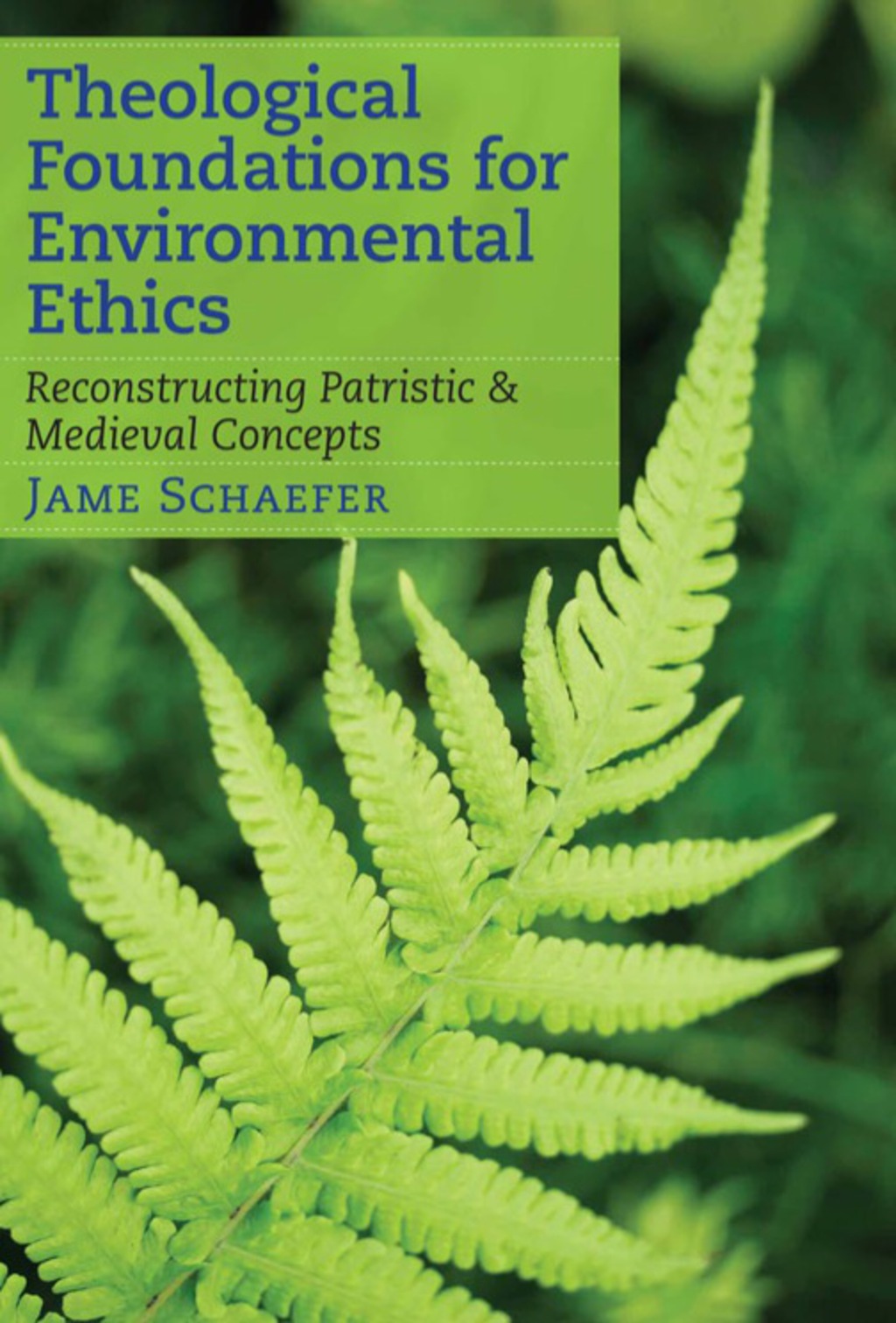
Can religion make a positive contribution to preventing further destruction of biological diversity and ecosystems and threats to our earth? Jame Schaefer thinks that it can, and she examines the thought of Christian Church fathers and medieval theologians to reveal and retrieve insights that may speak to our current plight. By reconstructing the teachings of Augustine, Thomas Aquinas, and other classic thinkers to reflect our current scientific understanding of the world, Schaefer shows how to “green” the Catholic faith: to value the goodness of creation, to appreciate the beauty of creation, to respect creation’s praise for God, to acknowledge the kinship of all creatures, to use creation with gratitude and restraint, and to live virtuously within the earth community.
Theological Foundations for Environmental Ethics is written by Jame Schaefer and published by Georgetown University Press. The Digital and eTextbook ISBNs for Theological Foundations for Environmental Ethics are 9781589016118, 1589016114 and the print ISBNs are 9781589012684, 1589012682.


An Introduction to Popular Culture in the US
Clinical Anatomy and Physiology for Veterinary Technicians
The NIV Zondervan Study Bible, eBook
An Historical Introduction to American Education
An African American and Latinx History of the United States
Agroecology
Attacking Faulty Reasoning
When I Grow Up I Want to Be a List of Further Possibilities
50 Essays: A Portable Anthology (High School Edition): for the AP English Language Course
Logically Fallacious: The Ultimate Collection of Over 300 Logical Fallacies (Academic Edition)

1,000 Recordings to Hear Before You Die
Logic and Contemporary Rhetoric: The Use of Reason in Everyday Life
Metaphysics
Cengage Advantage Books: Cultural Anthropology: A Problem-Based Approach
Mutual Aid
A Microscale Approach to Organic Laboratory Techniques
On Bullshit
Ends and Means 
Review Theological Foundations for Environmental Ethics
There are no reviews yet.