

-
×
 American Corrections
1 × $7.62
American Corrections
1 × $7.62 -
×
Adolescent Literacy in the Era of the Common Core
1 × $8.00
-
×
Anti-Bias Education in the Early Childhood Classroom
1 × $9.24
-
×
Design Thinking for Visual Communication
1 × $7.86
-
×
A Primer on Communication and Communicative Disorders
1 × $15.00
-
×
A Comprehensive Guide to Intellectual and Developmental Disabilities
1 × $24.99
 American Corrections
  Adolescent Literacy in the Era of the Common Core
  Anti-Bias Education in the Early Childhood Classroom
 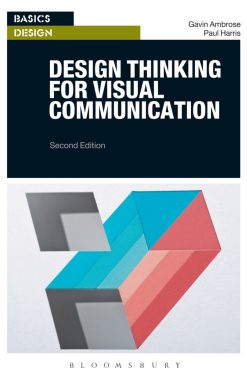 Design Thinking for Visual Communication
 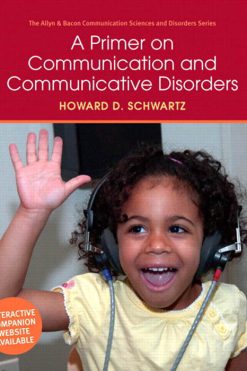 A Primer on Communication and Communicative Disorders
  A Comprehensive Guide to Intellectual and Developmental Disabilities
 Subtotal: $72.71
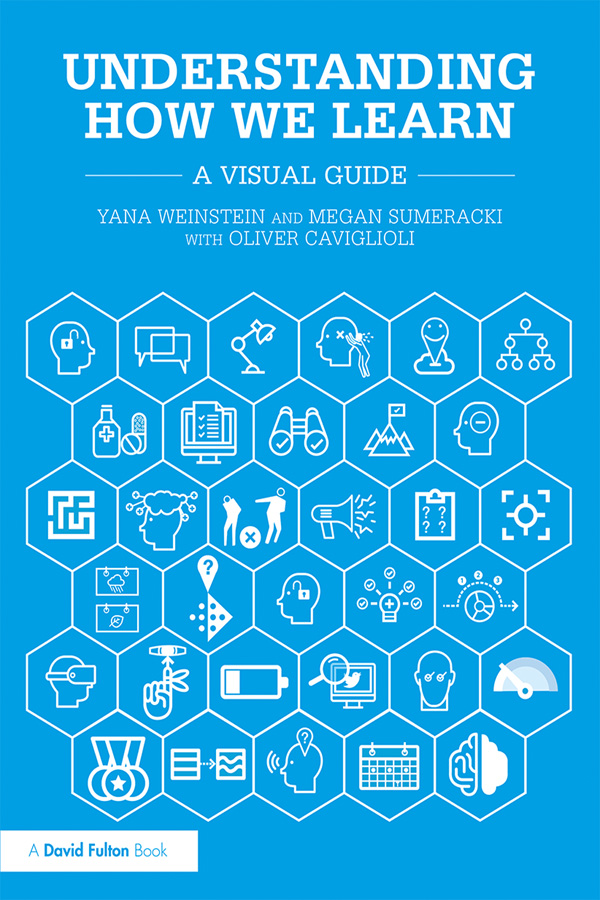






Review Understanding How We Learn
There are no reviews yet.