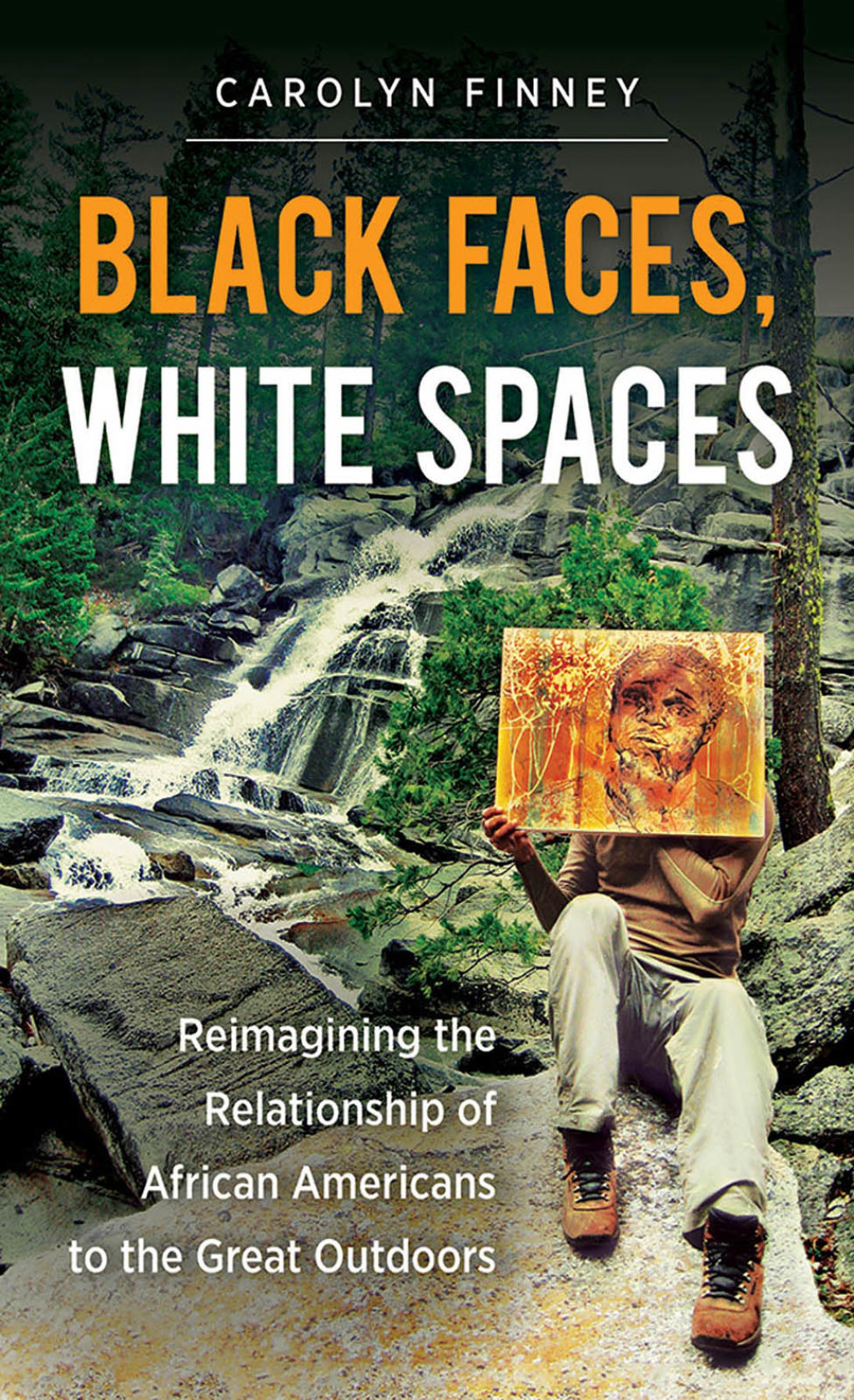

Why are African Americans so underrepresented when it comes to interest in nature, outdoor recreation, and environmentalism? In this thought-provoking study, Carolyn Finney looks beyond the discourse of the environmental justice movement to examine how the natural environment has been understood, commodified, and represented by both white and black Americans. Bridging the fields of environmental history, cultural studies, critical race studies, and geography, Finney argues that the legacies of slavery, Jim Crow, and racial violence have shaped cultural understandings of the “great outdoors” and determined who should and can have access to natural spaces. Drawing on a variety of sources from film, literature, and popular culture, and analyzing different historical moments, including the establishment of the Wilderness Act in 1964 and the aftermath of Hurricane Katrina, Finney reveals the perceived and real ways in which nature and the environment are racialized in America. Looking toward the future, she also highlights the work of African Americans who are opening doors to greater participation in environmental and conservation concerns.
Black Faces, White Spaces: Reimagining the Relationship of African Americans to the Great Outdoors is written by Carolyn Finney and published by The University of North Carolina Press. The Digital and eTextbook ISBNs for Black Faces, White Spaces are 9781469614496, 1469614499 and the print ISBNs are 9781469614489, 1469614480.


Designing B2B Brands: Lessons from Deloitte and 195,000 Brand Managers
The Principal Influence: A Framework for Developing Leadership Capacity in Principals
Finite Mathematics for Business, Economics, Life Sciences, and Social Sciences
Cancer Genetics and Genomics for Personalized Medicine
Fly Fishing Central & Southeastern Oregon
Anathem
African-American Odyssey, The, Combined Volume
Administrator's Guide to School-Community Relations, The
Black Faces, White Spaces
English Grammar for Students of French
Competency in Combining Pharmacotherapy and Psychotherapy
Guts
Community-Based Qualitative Research: Approaches for Education and the Social Sciences
Essentials of Anatomy & Physiology
One Good Mama Bone 
Review Black Faces, White Spaces
There are no reviews yet.