

-
×
 The Mental Floss History of the World
1 × $3.00
The Mental Floss History of the World
1 × $3.00 -
×
No-Drama Discipline
1 × $3.25
-
×
Patterns for Jazz: A Theory Text for Jazz Composition and Improvisation: For Bass Clef Instruments
1 × $6.75
-
×
Aeschylus II: The Oresteia
1 × $3.00
-
×
America's History
1 × $27.25
-
×
EasyWriter with Exercises
1 × $4.25
-
×
The Art of Roughhousing
1 × $2.50
-
×
Annotations to William Faulkner's 'The Hamlet'
1 × $10.00
-
×
Eat Pretty
1 × $3.25
-
×
How to be a Happier Parent
1 × $3.50
-
×
Beyond Bodybuilding
1 × $2.50
-
×
A Heartbreaking Work Of Staggering Genius
1 × $3.00
-
×
Exercise Psychology
1 × $18.03
-
×
Green Smoothies for Life
1 × $3.00
-
×
1,000 Recordings to Hear Before You Die
1 × $3.99
-
×
Child Development
1 × $22.50
-
×
The 5 Love Languages: The Secret to Love that Lasts
1 × $3.00
-
×
Breaking Free from OCD
1 × $6.24
 The Mental Floss History of the World
 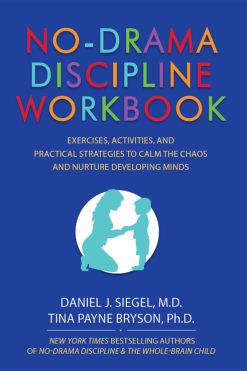 No-Drama Discipline
 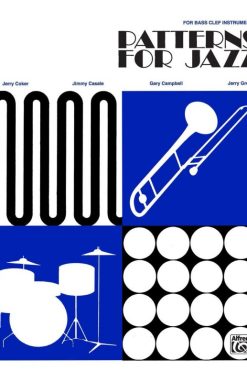 Patterns for Jazz: A Theory Text for Jazz Composition and Improvisation: For Bass Clef Instruments
 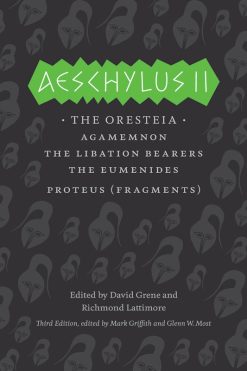 Aeschylus II: The Oresteia
  America's History
 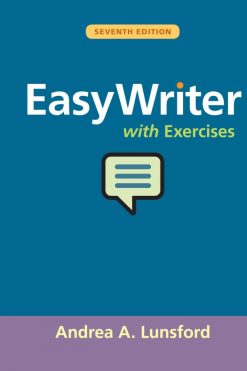 EasyWriter with Exercises
  The Art of Roughhousing
  Annotations to William Faulkner's 'The Hamlet'
  Eat Pretty
  How to be a Happier Parent
 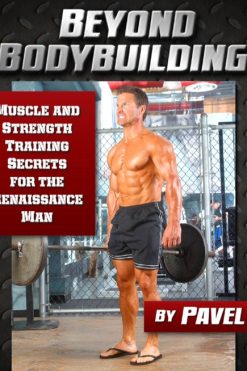 Beyond Bodybuilding
  A Heartbreaking Work Of Staggering Genius
 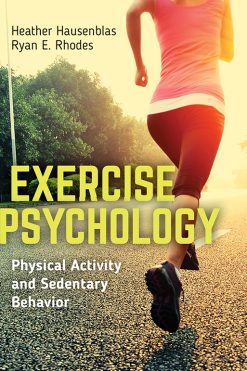 Exercise Psychology
  Green Smoothies for Life
 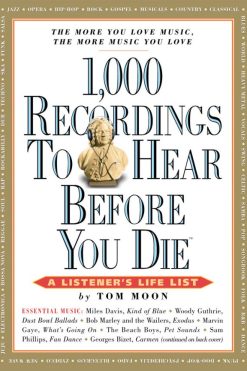 1,000 Recordings to Hear Before You Die
  Child Development
  The 5 Love Languages: The Secret to Love that Lasts
 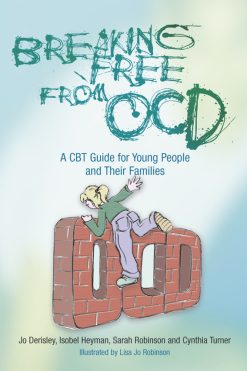 Breaking Free from OCD
 Subtotal: $129.01







Review Interdisciplinary Applications of the Person-Centered Approach
There are no reviews yet.