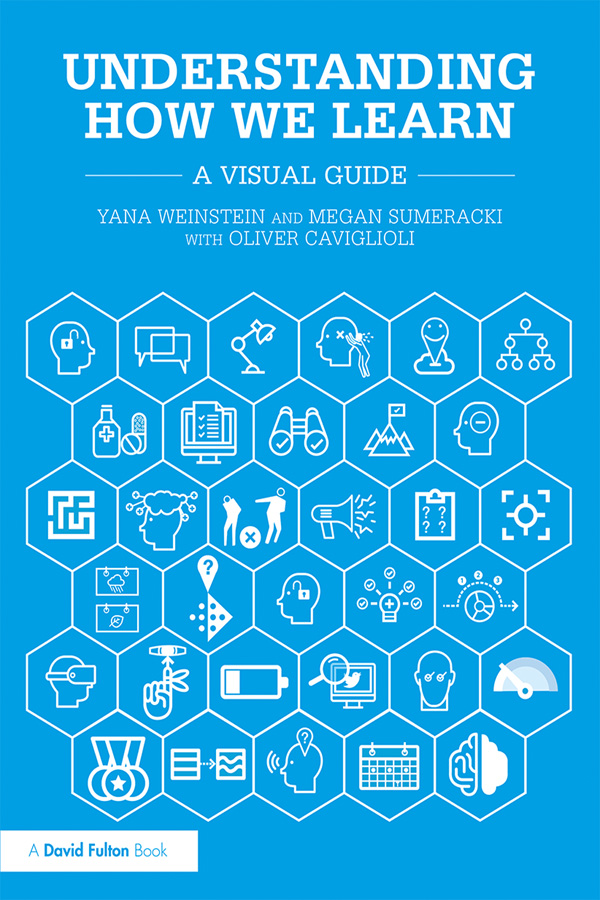

Educational practice does not, for the most part, rely on research findings. Instead, theres a preference for relying on our intuitions about whats best for learning. But relying on intuition may be a bad idea for teachers and learners alike. This accessible guide helps teachers to integrate effective, research-backed strategies for learning into their classroom practice. The book explores exactly what constitutes good evidence for effective learning and teaching strategies, how to make evidence-based judgments instead of relying on intuition, and how to apply findings from cognitive psychology directly to the classroom. Including real-life examples and case studies, FAQs, and a wealth of engaging illustrations to explain complex concepts and emphasize key points, the book is divided into four parts: Evidence-based education and the science of learning Basics of human cognitive processes Strategies for effective learning Tips for students, teachers, and parents. Written by
Additional ISBNs: 9781138561694, 113856169X, 9781351358040, 1351358049


The Hold Life Has
An Atlas of Natural Beauty
An Introduction to Data Science
Essentials of Community Corrections
Brain Maker
50 Essays: A Portable Anthology (High School Edition): for the AP English Language Course
Emergency Care
Alters and Schiff Essential Concepts for Healthy Living
Evaluation Failures
A Peacemaking Approach to Criminology
A Counseling Skills Primer: 3 Minute Microskills Videos for the Visual Learner
American Government and Politics Today: Essentials 2017-2018 Edition
Cengage Advantage Books: Sociology
Child and Adolescent Development for Educators, Second Edition
Beyond Discipline
A Concise Guide to Statistical Analyses Using Excel, SPSS, and the TI-84 Calculator, Spiral bound Version
Handbook of Social and Emotional Learning
7 Ways to Transform the Lives of Wounded Students 
Review Understanding How We Learn
There are no reviews yet.